Sea trout stocks are not endless. Every fish you release is an investment in the years to come — and also a chance that someone will catch that fish again one day, bigger and more beautiful. An ethical attitude and responsible treatment of fish and nature are part of good fishing.
When to release
- when the fish is undersized — check the current minimum size;
- when the fish is a kelt (thin and exhausted after spawning) or is spawning;
- when you are fishing in an area or at a time when taking fish is not allowed;
- when you have reached your daily bag limit;
- and simply when you want to.
Prepare beforehand
- Use single hooks, or barbless or crushed-barb hooks — the release is quicker and the fish suffers less injury.
- Keep pliers within reach.
- If you use a landing net, choose one with a rubber or knotless mesh.
Releasing step by step
- Don't play the fish for too long. Make the fight decisive.
- Keep the fish in the water as much as possible.
- Wet hands. Dry hands and cloth damage the fish's protective slime layer.
- Don't squeeze the fish's belly or touch its gills.
- Remove the hook quickly with pliers. If the hook is deep, cut the leader — that's better than a long tug-of-war.
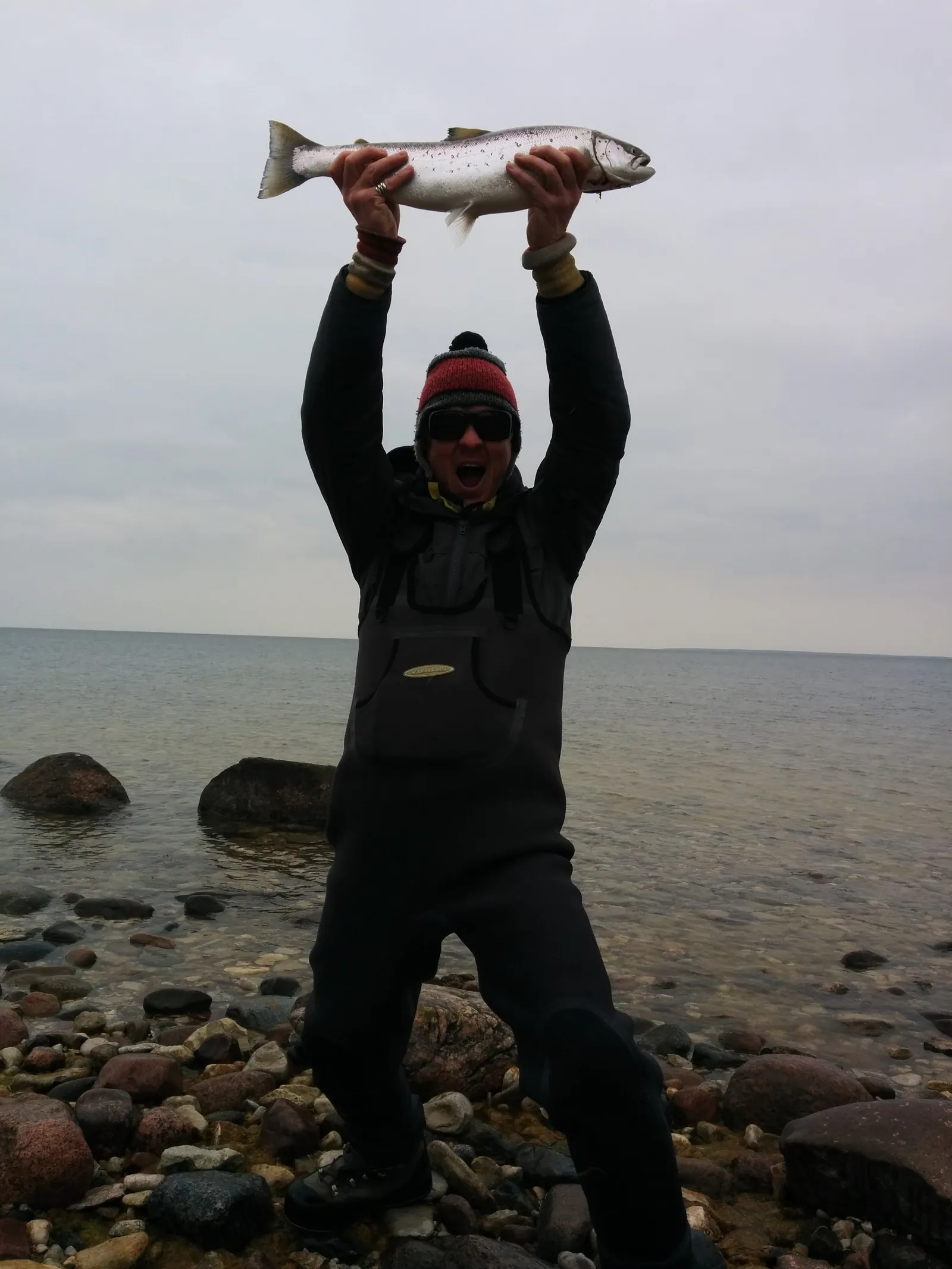
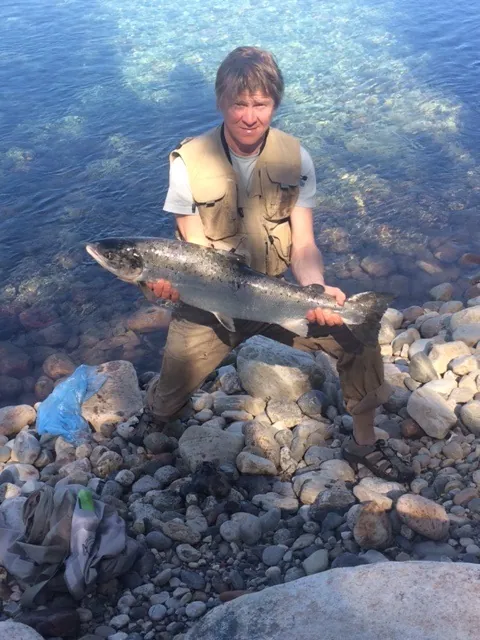
- A photo? Hold the fish horizontally, with two hands and over the water — even better, in the water. A few seconds, not a minute.
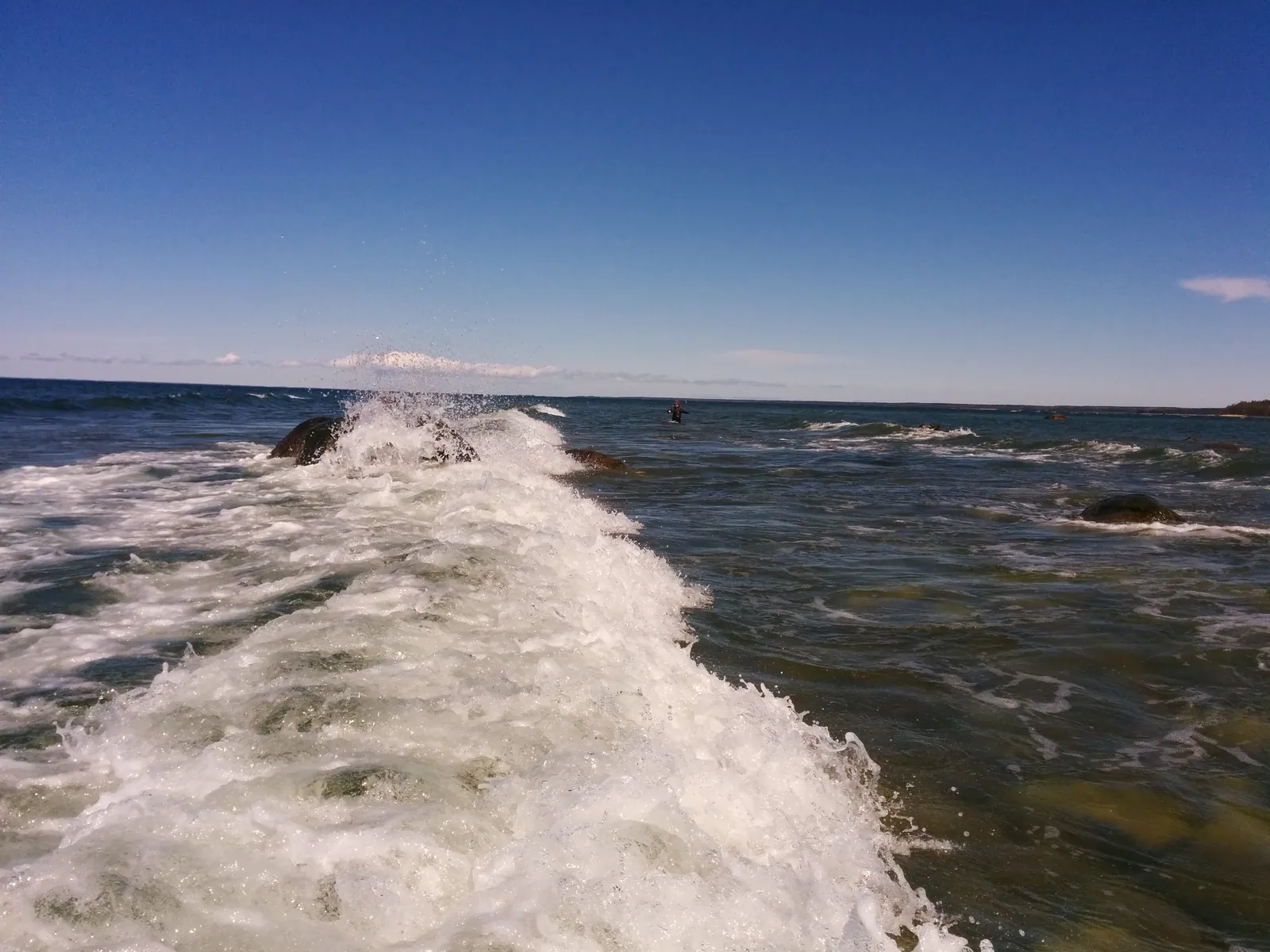
- Revive it. Hold the fish nose-first into a gentle current or the waves until it swims off strongly on its own.
If you keep the fish
If the fish is of legal size and the rules allow it, it is perfectly right to take it home. Stun and kill the fish immediately and quickly, and keep it cool. Fresher fish also tastes better.
The angler's responsibility
Estonia's nature is stunningly beautiful; it is worth protecting and treating our surroundings with respect in everything we do. Sea trout are the treasure of our coast — let's look after them so that our children, too, can feel the thrill of their first take.